Tibet Travel Guide and Regulations
Basic Travel Guide for Tibet
1. Introduction to Tibet’s Tourism Resources
Tibet is very large, but it has only six cities and one prefecture. The easternmost city, Chamdo, has an altitude of 3,200 meters. The Jinsha River, which forms the border between Tibet and Sichuan, is located here. Chamdo is most famous for its glaciers and has Laigu Glacier, one of the “Three Great Glaciers of the World,” but from June to September the glacier cannot be fully appreciated.
To the southwest of Chamdo is Nyingchi, whose average altitude is only about 3,000 meters. It has China’s largest virgin forest area and the world’s deepest canyon, the Yarlung Tsangpo Grand Canyon. Visitors can admire Namcha Barwa Peak, which rises to 7,782 meters above sea level. Every year from late March to early April, the peach blossoms are also extremely spectacular.
To the southwest of Nyingchi lies Shannan. Although it is not as famous, it is the birthplace of Tibet and has Tibet’s first palace and first temple. Yamdrok Lake, one of the “Three Sacred Lakes of Tibet,” is also located here.
To the west of Shannan is Shigatse, whose average altitude is about 4,000 meters. There is almost no summer here. Most visitors come here for Mount Everest. From Shigatse to Everest Base Camp (5,200 meters above sea level), it takes 7 to 8 hours by car, and the road conditions are not very good.
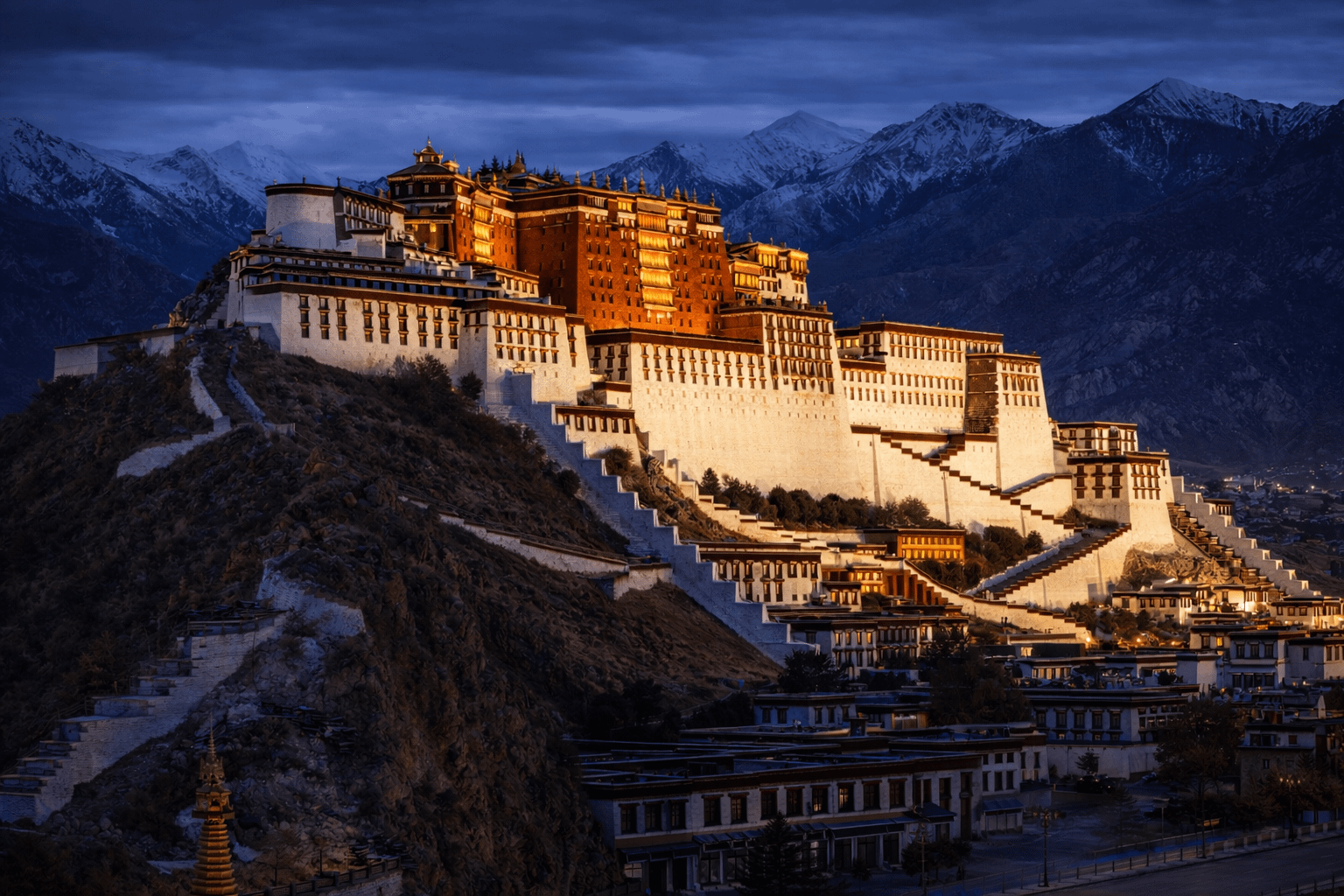
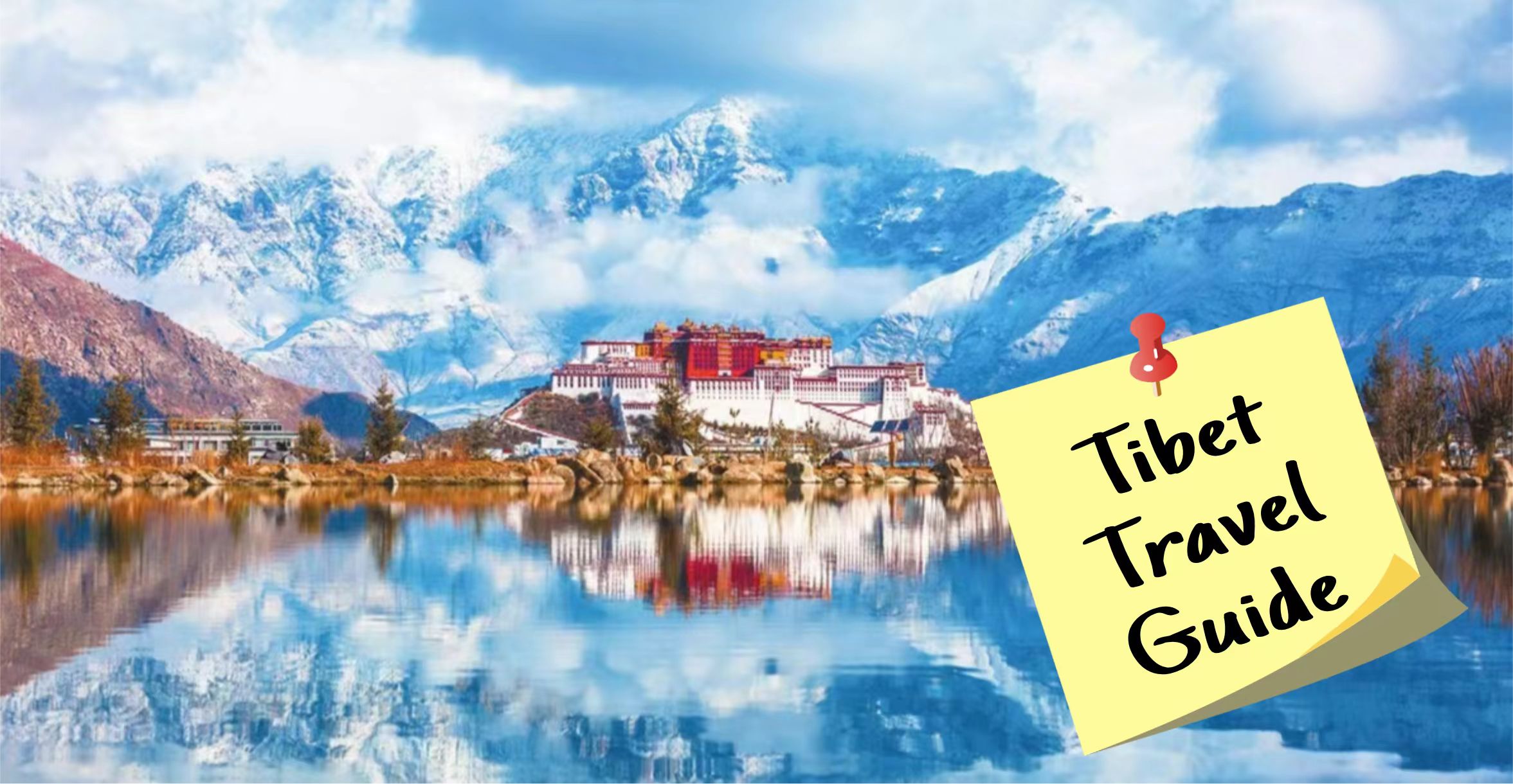
To the north of Shigatse are Lhasa and Nagqu. Lhasa is the most famous city in Tibet, and we recommend visiting the Potala Palace, Jokhang Temple, and Barkhor Street. Next to Nagqu is Xinjiang, where you can see the Kunlun Mountains that form the border between Tibet and Xinjiang. The famous Changtang uninhabited area is located in Nagqu, where there are many Tibetan antelope and wild yaks. The most famous local product is cordyceps, which is considered the best quality in the world. Namtso Lake and Yamdrok Lake are both very famous and are excellent places for photography.
Further west is the special Ngari Prefecture. Its average altitude is above 4,500 meters. This is the least populated area of Tibet and preserves the most original appearance of Tibet. Mount Kailash, the most famous mountain here, is a pilgrimage site for both Tibetan Buddhists and Hindus. The best-known activity is the 52-kilometer pilgrimage route around Mount Kailash, but it requires very good physical fitness.
2. Information for Foreign Travelers
Foreigners traveling in Tibet must join an organized group tour and are not allowed to travel independently. A Tibet Travel Permit must be arranged through a local travel agency. If you wish to travel to Ngari, Gyirong, Everest Base Camp, Lake Manasarovar, Mount Kailash, or similar places, you must also apply for a Foreigners’ Travel Permit and a Military Area Permit. These can only be arranged through a travel agency. In addition, some areas are closed to foreign travelers, such as the Yarlung Tsangpo Grand Canyon, Medog, Nanyi Valley, Yadong, Chayu, Milin, Gangba, Rutog, Pangong Lake, and the border areas of Shannan.
3. Hotels in Tibet
When first arriving at high altitude, we strongly recommend choosing hotels with oxygen supply facilities. Otherwise, you may have difficulty sleeping. Overall, accommodation conditions in Tibet are not particularly good, but they are slightly better than in Xinjiang. The best accommodation is in Lhasa, followed by Nyingchi and Shigatse. These places all have five-star hotels, but the prices are relatively high. In other areas, the conditions are somewhat simpler, but there are generally two to four-star hotels available. If you plan to visit the lakes of western Tibet, you will inevitably pass through Damxung. The accommodation conditions there are the worst in Tibet, so guests should be mentally prepared.
4. Food in Tibet
Common Tibetan foods include yak meat, yak yogurt, blood sausage (made from yak blood and rice), tsampa (dough made from roasted barley flour), barley cakes, and butter tea. However, many tourists find it difficult to adapt to this type of food. Therefore, you may prefer to eat Sichuan cuisine, hot pot (with yak broth, chicken broth, or mushroom broth), or Indian and Nepali food.
5. Suggested Itinerary Planning
Foreigners are unable to visit some areas of Tibet, so we will customize the itinerary accordingly. Travelers may choose to visit only Lhasa and the surrounding area, or they may consider visiting western Tibet and Ngari Prefecture to experience the least developed and most authentic part of Tibet. However, because there will be many Buddhist and Hindu pilgrims traveling to Mount Kailash in 2026, the cost of traveling to Ngari will be higher than in other years.
6. Recommended Personal Items to Bring
Clothing: We recommend bringing a waterproof jacket, waterproof pants, a down jacket, moisture-wicking underwear, and a fleece jacket. Bright colors such as red or yellow are recommended for the jacket. You should also bring waterproof low- or mid-cut hiking boots, slippers, warm socks, a hat, gloves, a scarf, and sunglasses. It is important to protect yourself from strong ultraviolet radiation, especially your face. Eye drops may also be useful to prevent dry eyes. You may bring one umbrella and one raincoat. If the accommodation conditions during your trip are poor and you have high hygiene requirements, you may also bring your own bedsheet and sleeping bag.
Skin Care: We recommend bringing sunscreen with at least SPF 30 to prevent sunburn. You should also bring body lotion, moisturizing cream, and lip balm, preferably with sun protection.
Medicines: You may prepare medicines according to your own needs, such as cold medicine, stomach medicine, painkillers, medicine against altitude sickness (such as Rhodiola, inosine oral liquid, or oxygen tablets), glucose powder, quick-acting heart pills, antibiotics, band-aids, and vitamin tablets.
Cash: Conditions in some areas of Tibet are limited, and mobile signal is often unstable. In some places, such as Ngari, there may be no signal at all. Therefore, please bring some cash and a bank card.
Snacks: You may bring high-energy snacks such as energy bars, chocolate, and beef jerky; convenient foods such as instant noodles and self-heating rice; fruit that keeps well, such as bananas, apples, and oranges; condiments such as chili sauce or pickled vegetables; functional drinks such as Red Bull or vitamin drinks; and bottled water.
Other Items: According to your personal needs, you may also prepare a thermos bottle, humidifier, flashlight, batteries, knife, compass, matches, wide tape, mosquito repellent, and so on.
Tibet Travel Regulations
1. Who Is Not Suitable for High-Altitude Travel
If you have never visited a high-altitude region before, we recommend having a medical check-up before traveling. It is estimated that about 5% of people are not suitable for high-altitude travel, especially above 3,000 meters. The following groups of people are generally not recommended to enter high-altitude areas:
People with various forms of organic heart disease, serious arrhythmia, or stage II hypertension and above.
People with blood diseases or cerebrovascular diseases.
People with chronic respiratory diseases or moderate to severe obstructive pulmonary disease, such as asthma, bronchiectasis, emphysema, active tuberculosis, or pneumoconiosis.
People with uncontrolled diabetes.
People suffering from severe colds or upper respiratory infections, especially if the body temperature is above 38°C.
High-risk pregnant women.
People with severe gastrointestinal diseases, serious anemia, or hypertension.
2. Preparations Before Entering High Altitude
Before entering a high-altitude area, you may consult your guide about precautions in order to avoid unnecessary anxiety. A good psychological state can help overcome altitude sickness to some extent. Staying optimistic and confident can reduce the discomfort caused by altitude sickness. On the contrary, excessive nervousness increases the body’s oxygen consumption and may make the symptoms worse.
At the same time, do not smoke or drink alcohol, and avoid upper respiratory infections. Avoid overwork and make sure to rest well. You may take Rhodiola or American ginseng appropriately to improve your body’s ability to adapt to low oxygen conditions. If you have a respiratory infection, you should wait until you have recovered before entering Tibet.
3. Notes on Altitude Sickness
Whether or not altitude sickness occurs, and how severe it will be, depends on the individual. It is impossible to predict in advance. Sometimes people with weaker physical condition may not have strong reactions, while people who exercise frequently may still suffer from altitude sickness.
Fear of altitude and lack of mental preparation may make altitude sickness more severe. You may take some medicine against altitude sickness for about one month in advance, stop taking it one week before departure, and bring one box as backup. Usually, this is enough to avoid serious problems.
After arriving in Tibet, please drink plenty of water. We recommend drinking small amounts frequently and swallowing slowly. In addition, pay attention to conserving your physical strength during activities.
3.1 When first arriving at high altitude, everyone will feel some degree of shortness of breath, chest tightness, or difficulty breathing. This does not necessarily mean that you cannot adapt. If you protect yourself properly, these symptoms usually improve or disappear after 2 to 4 days.
3.2 In general, the symptoms of altitude sickness appear after about 12 to 14 hours. Therefore, when you first arrive, do not engage in strenuous exercise. Instead, you should lie down and rest immediately.
3.3 Many people use oxygen to relieve chest tightness and discomfort. Oxygen can temporarily relieve symptoms, but after you stop using it, the symptoms may return, which can delay your adaptation. If your symptoms are not severe, it is better not to use oxygen too often.
3.4 After entering Tibet, eat more carbohydrates and foods that are easy to digest. Drink plenty of water to keep your body hydrated. Do not eat too much at dinner. Avoid alcohol and smoking. Eat more fruits and vegetables rich in vitamins.
3.5 Avoid excessive fatigue and maintain a regular schedule. During the first few days after arrival, do not bathe too often, in order to avoid catching a cold.
3.6 During your stay in Tibet, your travel activities should not be too frequent or too strenuous. During the first week, do not walk too quickly, run, or do physical labor.
3.7 Even people who are physically fit and exercise regularly should not underestimate the altitude. Before entering an area above 5,000 meters, it is important to spend one or two days gradually adapting.
In short, regardless of age or physical condition, maintaining a healthy and optimistic attitude is very important. As long as you follow the above advice, you should be able to adapt quickly and enjoy your trip.
4. Respect Tibetan Customs
The customs and traditions of Tibet are very unique, so visitors should respect everything they encounter. Learning about local culture in advance is very important.
4.1 Sacred Mountains: There are countless snow mountains in Tibet, and almost all of them are considered sacred by local people. Mount Kailash is regarded as the most sacred mountain in Tibet. Never point at a mountain with your finger. Instead, indicate direction with your palm facing upward and your fingers together.
4.2 Mani Stone Piles: In Tibet you will often see piles of stones at crossroads and mountain passes. Some stones are plain, while others are engraved with Tibetan script or images. Never step on or take a Mani stone as a souvenir.
4.3 White Stupas: White stupas are very common in Tibet and are one of its symbols. When you encounter a stupa, do not point at it, and always walk around it clockwise.
4.4 Temples: There are many temples in Tibet. When entering a temple, remove your hat, do not speak loudly, and do not wear sunglasses. Many temples do not allow photography, especially inside the main hall. If you want to take photos, you must first ask the monks for permission. Some temples do not allow women to enter, while others have strict dress requirements for women.
When you see prayer wheels, you may spin them by hand, but always in a clockwise direction. Inside the main hall there are often elevated seats reserved for high lamas or the temple abbot. Never touch them. The correct way is to put your hands together and bow respectfully.
4.5 Meeting Local People: Friendliness and a smile are the best forms of expression. A simple greeting is to raise one hand with the palm upward and the fingers together. If you visit a Tibetan family, basic courtesy is sufficient, but avoid asking overly personal questions.
4.6 Absolute Taboos: Tibetans do not eat donkey meat, horse meat, or dog meat. In some areas, they also avoid fish. When making a toast, guests should dip their ring finger in the alcohol and flick it into the air three times as an offering to heaven, earth, and ancestors. Then take three small sips, and when the host fills the cup for the fourth time, you should drink it all. Do not make noise while eating or drinking. When drinking butter tea, wait until the host offers it with both hands. Never spit on someone’s back or clap behind them. Always walk clockwise around temples, Mani stone piles, and stupas. Never step over religious objects or rotate prayer wheels counterclockwise. Tibetans also strongly dislike having their heads touched.
5. Shopping Tips
If you want to buy Tibetan medicinal herbs, it is best to buy them from state-owned pharmacies. Prayer beads, dzi beads, turquoise, and similar items are often fake, so please be careful. Tibetan knives must be mailed and cannot be taken on an airplane. In Tibet, bargaining is possible almost everywhere. As long as you are polite, you usually have a good chance of success. We recommend buying souvenirs near the end of your trip rather than at the beginning.
6. Proper Behavior When Meeting a Lama
The best etiquette is to put your hands together and bow slightly. Do not shake hands or hug. Please avoid talking about killing, marriage, or similar topics. Inside temples, do not speak loudly or touch things casually. If there is a religious ceremony taking place, quietly watch from the side or leave silently.
7. When You See Tibetans Circumambulating
When walking on Barkhor Street, always follow the Tibetans and walk clockwise. Otherwise, not only will it be difficult to move through the crowd, but local people may also consider it disrespectful. In addition, some tourists secretly watch sky burials or even show off the photos they have taken. Such behavior is considered inappropriate.
8. Food and Drinking Water
In Tibet, try to drink boiled water and eat well-cooked meat. It is best to buy bottled water or drinks with sealed packaging in cities and towns. Otherwise, you should boil the water yourself before drinking it.